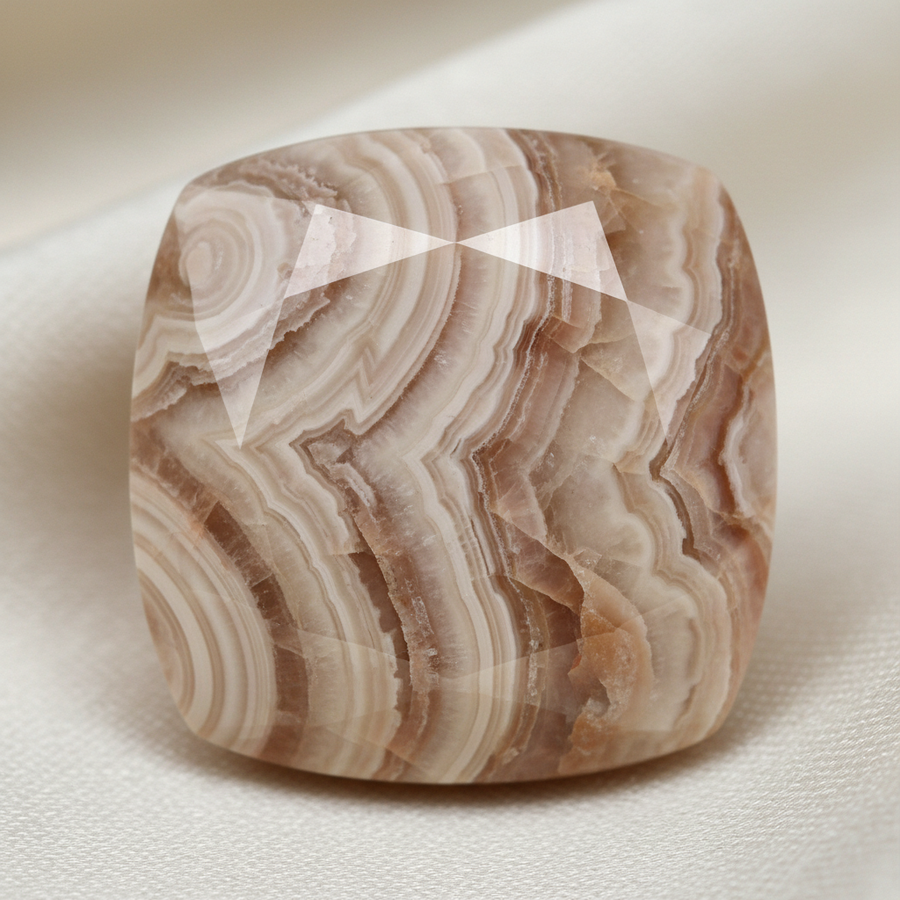
Dolomite crystal
Crystal Meaning

Dolomite Crystal Meaning & Properties

Soft pastel carbonate for balanced routines, self-care and steady practical support.

Dolomite is a calcium magnesium carbonate mineral that often forms soft pastel crystals, chosen for balanced routines, self-care and steady practical support.

Hardness
3.5
Mohs Scale
Chakra
Energy Centers
Element
Nature Forces
Zodiac
-
Star Signs

A Brief Introduction

Dolomite crystal close-up
Calcium Magnesium Carbonate
Dolomite is a calcium magnesium carbonate mineral that often forms rhombohedral or saddle‑shaped crystals in soft pastel shades. Massive dolomite makes up many sedimentary rocks and is important in geology and industry. In crystal work it is chosen for balanced routines, self‑care and steady practical support.
specimenspalm-stoneshome-decor

Origin & History

Where Dolomite comes from and how people have worked with it over time.

Dolomite commonly forms in sedimentary environments when magnesium‑rich fluids alter limestone, replacing calcite with calcium magnesium carbonate. It also appears in hydrothermal veins and metamorphic settings. Large dolomite formations serve as reservoirs for groundwater and hydrocarbons and are quarried for building stone and industrial uses. Collectors appreciate well‑formed crystals and pastel clusters, especially when combined with other minerals. Symbolically, dolomite is associated with balance, routines and practical support—helping people create rhythms of self‑care, maintenance and steady effort that keep life running more smoothly.

Carbonate Family
Carbonate Family
Dolomite is a calcium magnesium carbonate, closely related to calcite and other carbonates.
CarbonateSedimentary
Pastel Crystals
Pastel Crystals
Crystals can show soft pink, white or beige tones in rhombs or saddle‑shaped forms.
PastelCrystalline
Structure & Support
Structure & Support
Massive dolomite forms entire rock units, quietly supporting landscapes and structures.
SupportStructure

Major Deposits Worldwide

Key regions where high-quality Dolomite is found.

ITDolomites, Italy20%USUnited States25%ATAustria10%CNChina15%OTHEROther Localities30%

Physical Properties

A quick look at how Dolomite behaves as a mineral.

Color & Habit Color & Habit
White, grey, beige or soft pink crystals and massive formations
Hardness Hardness
3.5
Mohs scale (soft; gentle handling recommended)
Family Family
Calcium magnesium carbonate mineral in the carbonate family
Usage Usage
Used as rock‑forming material, in industry and as a stone for balance and routine work
  • Hardness: 3.5 on the Mohs scale
  • Luster: Vitreous to pearly
  • Transparency: Transparent to translucent crystals; massive material often opaque
  • Treatment: Generally natural crystals and massive pieces, May be polished or carved; avoid strong acids and harsh cleaners

Dolomite Meaning & Symbolism

Discover what this dolomite crystal represents across cultures and practices.

Balance
Balance
Wellbeing
Wellbeing
Grounding
Grounding

Traditional Symbolism

Balance & Temperance

Balance & Temperance

Represents moderation, emotional balance and the ability to pause before reacting, often linked with long-term growth.

Chakras & Zodiac Correspondences

Energetic alignments and astrological connections for Dolomite.

Heart Chakra
heart
Linked to giving and receiving love, emotional healing and gentle, open-hearted energy.
Center of chestGreen / Pink
Root Chakra
root
Supports feeling safe in your body and everyday life, with a sense of basic stability.
Base of spine & legsRed
How to use
Dolomite is typically associated with root and lower‑body themes—grounding, structure and steady support—while its softer pastel tones can also speak to heart‑level self‑care and kindness toward your own rhythms.

Modern Energetic Themes

How people most often work with Dolomite today.

Meaning & Healing Properties

Explore the key energies and themes of Dolomite.

Balance & Temperance

Represents moderation, emotional balance and the ability to pause before reacting, often linked with long-term growth.

Overall Wellbeing

  • For everyday balance, feeling more nourished and supporting gentle self-care habits

Grounding & Stability

  • For overwhelm, overthinking and travel days when you want to feel more anchored in your body

Dolomite Healing Properties

Symbolic support for balanced routines, self‑care and steady practical support.

Emotional & Mental
Emotional & Mental
Encouraging realistic, sustainable expectations of yourself and others
94%
Symbolically supporting balanced routines over all‑or‑nothing pushes
92%
Helping you organise daily tasks without losing sight of rest
90%
Acting as a reminder that maintenance and care are valid uses of time
88%
Companion stone for planning support systems, not just big goals
86%
Inviting a calmer, more grounded approach to daily responsibilities
84%
Spiritual & Energy
Spiritual & Energy
Symbolising the quiet structures that hold spiritual practice in place
94%
Supporting simple, repeatable rituals rather than dramatic events
92%
Encouraging you to value the "boring" foundations of your growth
90%
Working well in grids for stability, grounding and life re‑organisation
88%
Pairing with higher‑vibration stones so insight has somewhere solid to land
86%
Inviting respect for the slow, structural work that keeps everything standing
84%
Physical Associations (Symbolic)
A cue to build supportive habits around sleep, food and movement
90%
Reminder to honour both work and recovery in your weekly schedule
88%
Encouraging you to check in with your body before saying yes to more
86%
Supporting routines like stretching, walks and hydration as everyday rituals
84%
Companion stone for long‑term lifestyle changes guided by professionals
82%
Crystal work is a supportive ritual and symbolic practice, not a substitute for professional medical or mental-health care. Always seek qualified support for any physical or emotional health concerns.

How to Use Dolomite in Everyday Life

Let this quiet carbonate mineral help you build kinder, more sustainable routines.

Morning Rhythm
Morning Rhythm
Place dolomite where you start your day—by a kettle, desk or altar.
Choose one supportive action you will prioritise each morning.
Let it remind you that how you begin affects the whole day’s structure.
Adjust morning routines gradually instead of overhauling them overnight.
Self-Care Planning
Self-Care Planning
Keep dolomite nearby when planning weekly self‑care and rest blocks.
Treat rest, therapy and support as calendar events, not afterthoughts.
Review which practices actually leave you feeling more balanced.
Retire self‑care habits that are more performative than nourishing.
Workday Pace Check
Workday Pace Check
Place a stone on your desk as a cue to check your pace during the day.
Pause at least once to ask if your current workload is sustainable.
Make one small adjustment—delegating, delaying or dropping a task.
Use dolomite as a reminder that consistent output beats constant overdrive.
Evening Review
Evening Review
Hold or sit with dolomite while reviewing the day’s choices.
Note where you honoured your limits and where you pushed past them.
Choose one small adjustment for tomorrow’s structure.
Let the stone symbolise permission to build a life that fits who you are now.
Pro Tips
Acid Warning
Acid Warning
Dolomite, like calcite, reacts with acids—avoid vinegar, citrus cleaners and acidic environments.
Best Time
Best Time
Reach for dolomite when you are redesigning routines, recovering from burnout or building new foundations.
Pairings
Pairings
Pair with grounding stones for stability and with heart stones to keep practical changes compassionate.

How to Cleanse & Care for Dolomite

A soft carbonate—favour gentle cleaning and avoid harsh chemicals.

Physical Care
Do's
Do's
Wipe with a soft, slightly damp cloth and dry immediately
Use mild soap and lukewarm water only when necessary
Store pieces where they are protected from scratches and knocks
Don'ts
Don'ts
Avoid acidic cleaners, vinegar and strong chemical agents
Do not tumble or expose to heavy mechanical wear
Avoid prolonged soaking or high‑humidity display cases
Storage
Storage
Keep in padded boxes, drawers or pouches when not in use
Display on stable surfaces where stones will not be knocked over
Label pieces as carbonate minerals for future care awareness
Energetic Cleansing Methods
Smoke
Smoke
2-3 min
Use gentle incense or herbal smoke to symbolically reset routines and spaces.
Maintain ventilation and keep open flame away from the stone and surroundings.
Sound
Sound
5-10 min
Place dolomite near calm, rhythmic music to support structural changes.
Set on a stable, non‑vibrating surface during sound work.
Very Brief Water Rinse
Quick splash
If needed, a very quick rinse under clean water can be used, followed by immediate drying.
Avoid long exposure to water and never use acidic solutions.
!
Care Reminder: Dolomite is softer than it looks—treat it gently, especially around cleaners and high‑traffic areas.
Charging Your Dolomite
Align this stone with your intention to build balanced, sustainable structures in your life.
1
Cleanse & Ground
Cleanse the stone and sit with your feet planted, noticing your breath and posture.
2
Name a Foundation
Choose one foundational area—sleep, food, movement, money or time—that needs more balance.
3
Sketch a Simple Structure
With dolomite nearby, outline a simple routine or structure to support that area.
4
Take One Concrete Step
Commit to a single, realistic change you can implement this week to honour that structure.
Pro Tip
Pro Tip:Return to dolomite whenever you are tempted to abandon routines entirely—let it remind you that imperfect consistency beats heroic bursts.

Daily Practice

Incorporating Dolomite into your life

How to work with this crystal

  • Dolomite is a carbonate mineral composed of calcium magnesium carbonate, found in sedimentary rocks and as curved rhombohedral crystals or drusy coatings in cavities.
  • Its colours range from white and grey to soft pink, peach and brown, with a pearly to vitreous lustre when polished.
  • With a hardness similar to calcite, dolomite is most often used as a specimen or in gently worn jewellery pieces. In contemporary crystal symbolism, dolomite is linked with balanced routines, body-friendly self-care and steady, practical support.
  • People may keep it on workspaces, bedside tables or wellness altars as a reminder that small, consistent habits—rest, nourishment, realistic planning—can provide a more reliable foundation than sporadic bursts of effort.
Care & Handling
  • Keep each piece in its own soft pouch or box compartment so chains and stones do not rub or tangle.
  • Avoid keeping jewelry in bathrooms or other humid spots; store in a dry, cool place away from direct heat.
  • After each wear, gently wipe jewelry with a soft, dry cloth before putting it back into storage.
  • Take jewelry off for sports, workouts, heavy lifting and housework to avoid dents, chips and deformation.
  • Do not leave jewelry in hot cars, near windows or heaters for long periods; store in a cool, shaded place.
  • For water-safe jewelry, soak briefly in lukewarm water with mild soap, brush softly, then rinse and dry thoroughly.

Journal Prompts

Simple questions to explore while working with Dolomite.

  • Which parts of my current routine feel nourishing, and which feel depleting? How does my body tell me when my nervous system needs more care and softness? What small self-care practices could I realistically weave into my days? Where could practical support—from myself or others—lighten my load right now?

Affirmations

Short phrases to repeat while you wear or hold Dolomite.

  • I am allowed to design routines that support, not exhaust, me. Rest and nourishment are important parts of my wellbeing. I can ground myself through simple, repeatable acts of care. Small adjustments to my habits can have a meaningful impact over time.

Companion Crystals

Other stones that pair well with Dolomite in grids or stacks.

Gentle Reminders

A few important notes to keep Dolomite work grounded and gentle.

  • Crystals are a supportive ritual, not a substitute for professional medical or mental health care. Always listen to your own boundaries and work with gemstones as gentle reminders rather than promises of specific results.

FAQs about Dolomite

Short answers to common questions about this crystal.

Is dolomite suitable for everyday wear?
With a hardness around 3.5 on the Mohs scale, dolomite is generally suitable for everyday pendants and earrings.
Rings can also be worn regularly as long as you avoid hard knocks, abrasive surfaces and heavy manual work.
Taking your dolomite pieces off before workouts, cleaning or DIY projects will help keep them looking bright for longer.
Can dolomite go in water?
Brief contact with clean, lukewarm water is usually fine for dolomite.
Avoid long soaks in hot tubs, chlorinated pools or salt water, as they can dull the surface or affect settings over time.
After any quick rinse, dry the jewelry thoroughly with a soft cloth before storing or wearing it again.
Which zodiac signs is dolomite best for?
There isn't one single zodiac sign that 'owns' dolomite, and it can be used by people of any sign.
Many people choose it for themes like Balance in Daily Routines, Gentle Self-Care & Rest and Soft Grounding & Support.
If its look and story resonate with you, it's a good match regardless of your chart.
What intentions is dolomite most often used for?
People often choose dolomite to support Balance in Daily Routines, Gentle Self-Care & Rest and Soft Grounding & Support.
You can incorporate it into simple rituals like holding a stone while you set intentions, meditating with it nearby, or keeping it on your desk or bedside.
Treat it as a supportive symbol and reminder, not a guarantee of specific outcomes.
How do I cleanse and recharge dolomite?
Gentle methods work well for dolomite: smoke cleansing, breath, sound, or placing it on a piece of selenite for a few hours.
You can also set your intention silently while holding the stone, imagining any heavy energy rinsing away.
Avoid harsh chemical cleaners or very strong midday sunlight for long periods, as those can affect the colour or surface over time.